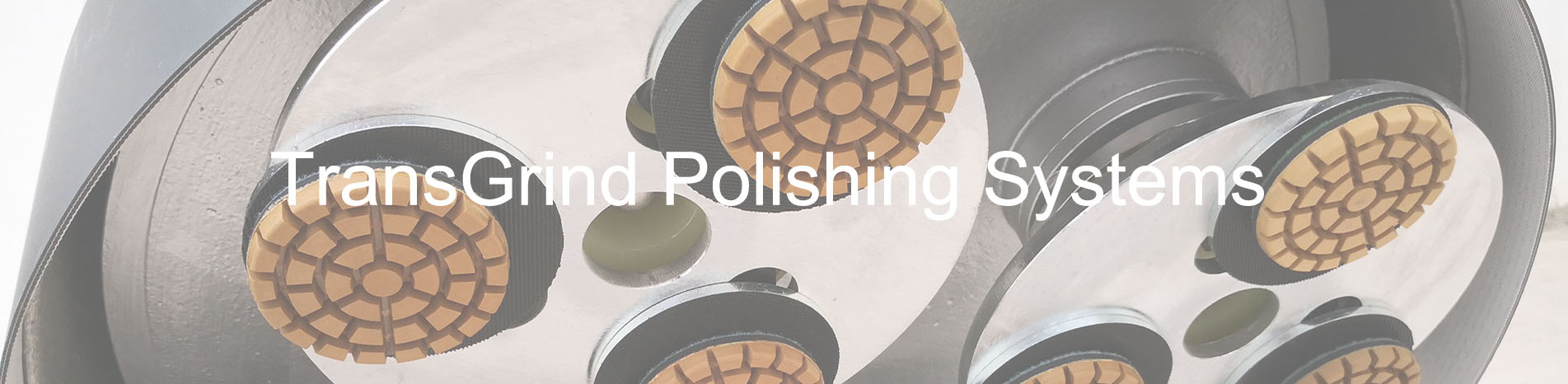
Concrete polishing has moved beyond simply achieving a glossy floor. Today's projects often require consistent surface appearance, controlled aggregate exposure, predictable scratch refinement, and finishes that can withstand regular use. These expectations are influencing how concrete polishing tools are designed and developed. For manufacturers, the challenge is not just to produce pads that create a higher shine, but to improve polishing consistency, reduce unnecessary processing steps, and make it easier for contractors to achieve the required finish across different concrete surfaces.
One area likely to see continued development is diamond resin polishing technology. Resin bond diamond polishing pads are widely used to refine the scratch patterns left by earlier grinding stages and progressively improve the surface finish. Future improvements will likely focus on diamond distribution, resin formulation, heat resistance, and wear characteristics. These factors influence how evenly a pad works, how long it maintains its cutting ability, and how consistently it performs throughout a project. Different concrete surfaces also require different polishing approaches, so developing pads that perform reliably across a wider range of concrete conditions will remain an important challenge.
Hybrid polishing tools are another area worth watching. These tools are designed to combine characteristics of different abrasive bond systems, helping contractors transition between initial grinding and finer polishing stages. In some applications, they can reduce abrupt changes in scratch patterns and make the overall process more efficient. Their role is particularly relevant when contractors want to simplify the number of tooling changes without sacrificing the final surface quality. However, hybrid tools will not replace every conventional abrasive. Metal bond diamond tools will continue to serve an important role in initial concrete grinding, while resin bond pads remain essential for refining the surface and achieving the desired polished appearance. The right combination depends on the concrete condition and the finish specified for the project.
Consistency will also become a major focus in the development of concrete polishing tools. A floor may look uniform under general lighting but reveal uneven gloss, visible scratches, or inconsistent aggregate exposure under stronger or angled light. These issues are often related to the polishing sequence, abrasive selection, and how thoroughly each stage removes the marks left by the previous one. Better-designed polishing pads, more predictable grit performance, and improved tooling combinations can help contractors achieve a more uniform result. Manufacturers such as TransGrind are part of this evolving tooling market, where practical abrasive performance and compatibility with different floor grinding machines remain important considerations.
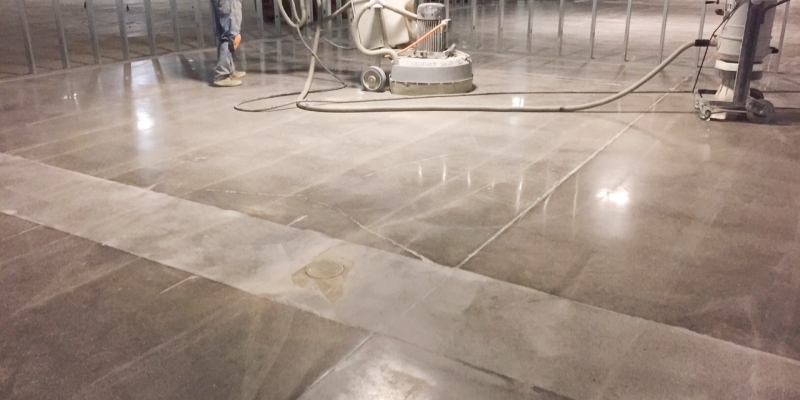
Advances in floor polishing machines will further influence how polishing tools are used. Improved planetary grinding systems, more precise speed and pressure controls, and automated equipment can help maintain consistent working conditions across large floor areas. Some machines are also incorporating digital monitoring features that provide information about operating performance and maintenance requirements. These developments may help contractors identify problems earlier and manage production more effectively. However, machine technology and abrasive performance need to work together. Even advanced equipment cannot compensate for an unsuitable polishing pad, an incorrect grit sequence, or insufficient refinement between stages.
Environmental and jobsite considerations will continue to shape the industry as well. Dry polishing requires effective dust extraction, particularly when earlier grinding stages expose concrete and generate silica-containing dust. Wet polishing can help control airborne dust, but it creates slurry that must be collected and handled properly. Tool manufacturers will therefore need to consider not only polishing performance but also how their products work with dust extraction systems, water management, and different machine configurations. Longer-lasting pads and more predictable wear can also reduce unnecessary tool changes and consumable waste, improving efficiency over the course of a project.
The future of concrete polishing tools will be shaped by practical improvements rather than appearance alone. Better diamond resin formulations, more versatile hybrid abrasives, consistent scratch refinement, and smarter polishing equipment all have the potential to improve the way contractors work. Still, no single pad or machine will suit every concrete floor. Understanding the surface, choosing the right abrasive sequence, and matching the tooling to the desired finish will remain central to successful polishing. The most valuable innovations will be those that help contractors achieve reliable results with greater control and less wasted effort.

 IPv6 rede suportada
 English
 français
 Deutsch
 русский
 italiano
 español
 português
 العربية
 日本語
 Polski
 中文